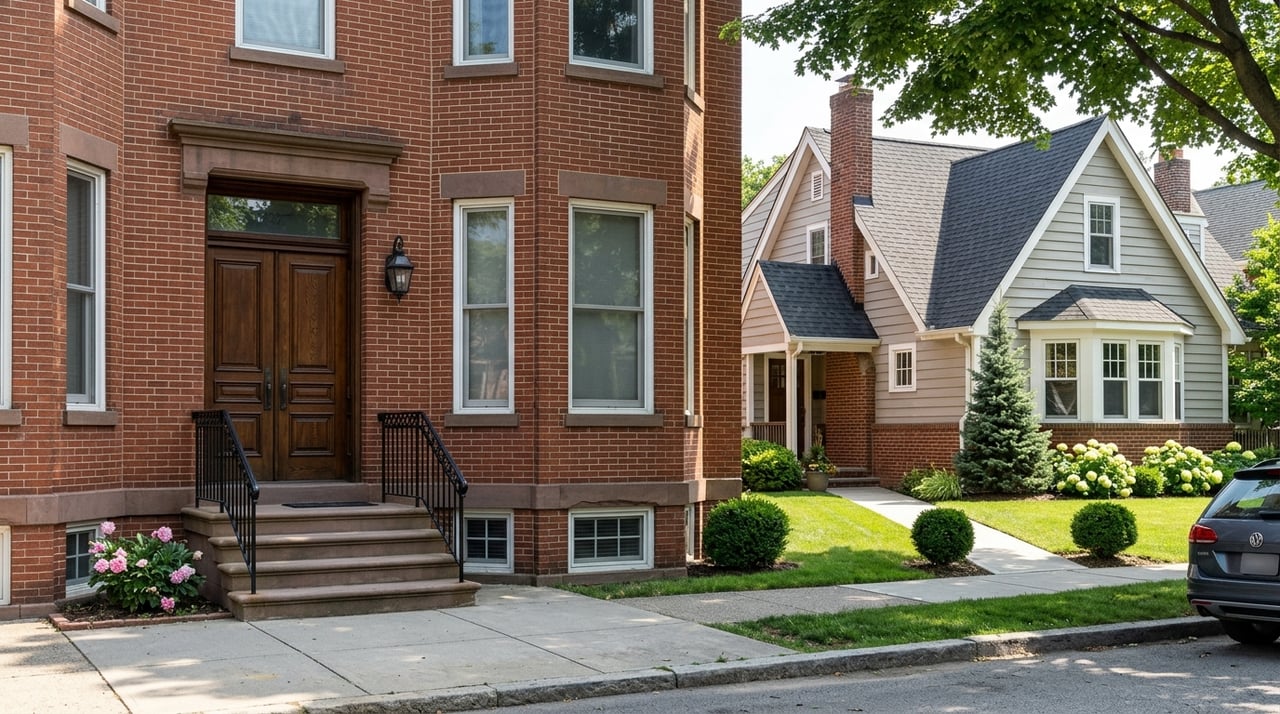
Fairport Village Living Vs Suburban Neighborhoods
July 2, 2026
July 2, 2026
Wondering whether Fairport feels more like a walkable village or a classic suburb? The answer is both, and that is exactly why buyers often pause here. If you are trying to decide which setting fits your routine, priorities, and home style, this guide will help you compare Fairport Village living with the surrounding suburban neighborhoods so you can focus your search with more confidence. Let’s dive in.
Fairport Village sits within the Town of Perinton, but it offers a more compact and mixed-use setting than many of the surrounding residential areas. The Town of Perinton includes the Village of Fairport, 15 parks, the 35-mile Crescent Trail, and a community center with a gym, workout facility, water park, and lap pool. That broader backdrop gives you access to recreation across the area, whether you choose a village address or a home outside the village core.
What often feels different day to day is how each area is arranged. The village is planned to support a small, walkable center, especially near the canal and downtown business district. The surrounding suburban neighborhoods are generally more spread out, with zoning that favors detached homes, wider spacing, and a more drive-oriented pattern.
If you picture stepping out your door and feeling connected to a downtown environment, Fairport Village is the setting most likely to match that vision. The village’s Canal District was created to promote public access to the Erie Canal and allows a mix of recreational, open-space, business, and residential uses along the waterfront. That mixed-use pattern helps create a more active, close-in feel.
The housing layout in the village also supports a denser streetscape. Village zoning allows smaller minimum lot sizes in several residential districts, including 15,000 square feet in R-A, 7,500 square feet in R-B, and 6,000 square feet in R-C and R-D. In the Canal District, permitted uses include apartment houses, townhouses, single-family homes, two-family dwellings, and business uses.
For you as a buyer, that usually means more variety in home style and setting. You may see homes on tighter lots, homes closer to sidewalks, and a stronger blend of residential and commercial activity nearby. Not every block will feel the same, but the overall pattern is more compact than what you will find in many outer neighborhoods.
The Village of Fairport describes downtown as highly walkable and bikeable. It has six village-owned parking lots, more than 900 free parking spaces, bike parking in many locations, and says most downtown businesses are within a 4-, 8-, or 12-minute walk from those lots. On-street parking is also available on many village streets.
That kind of layout can shape your routine in simple ways. You may be able to combine errands, dining, canal walks, and local events into one short outing instead of multiple car trips. If you enjoy being near sidewalks, crosswalks, and a busier street scene, the village often delivers that experience more consistently.
Village improvements have also reinforced that pedestrian-friendly feel. Fairport’s Main Street project included new sidewalks, crosswalk changes, streetlights, trees, curbs, and ADA parking changes. The village also hosts the Fairport Farmers Market on Saturdays from May 2 through November 21, 2026, from 8 a.m. to 12 p.m. in the Village Landing Parking Lot, with overflow parking behind Village Hall and on nearby streets.
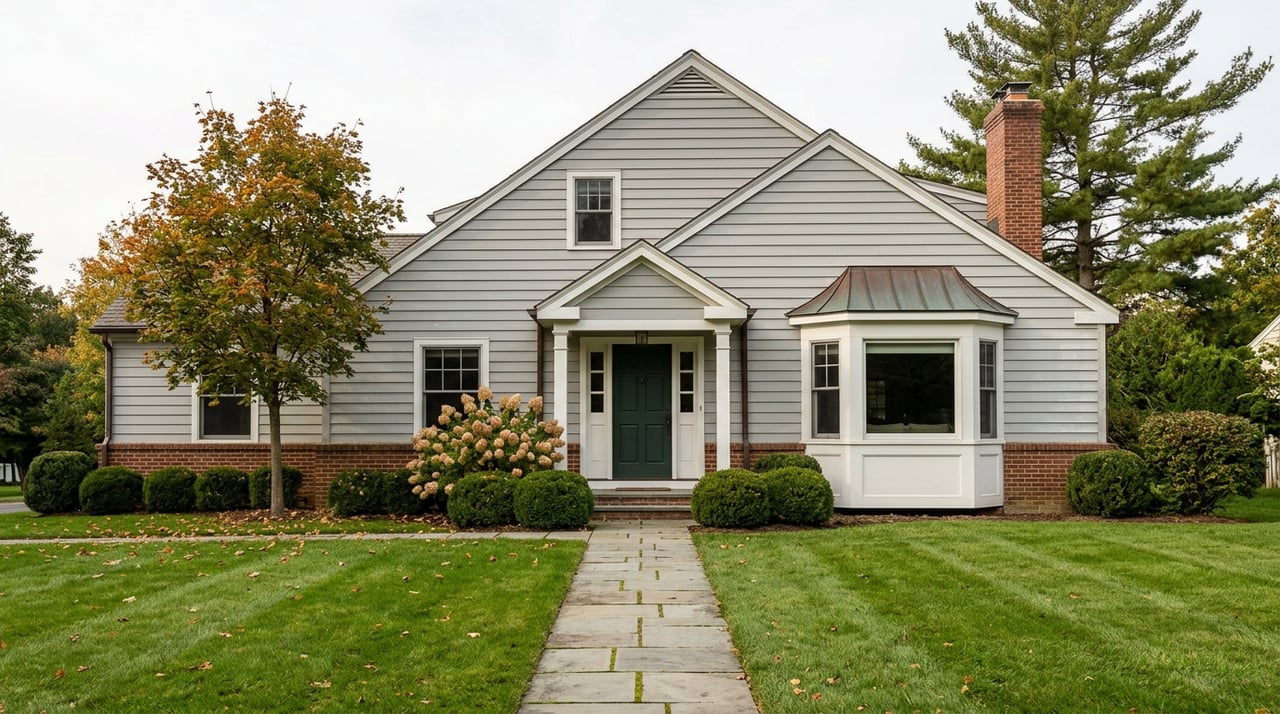
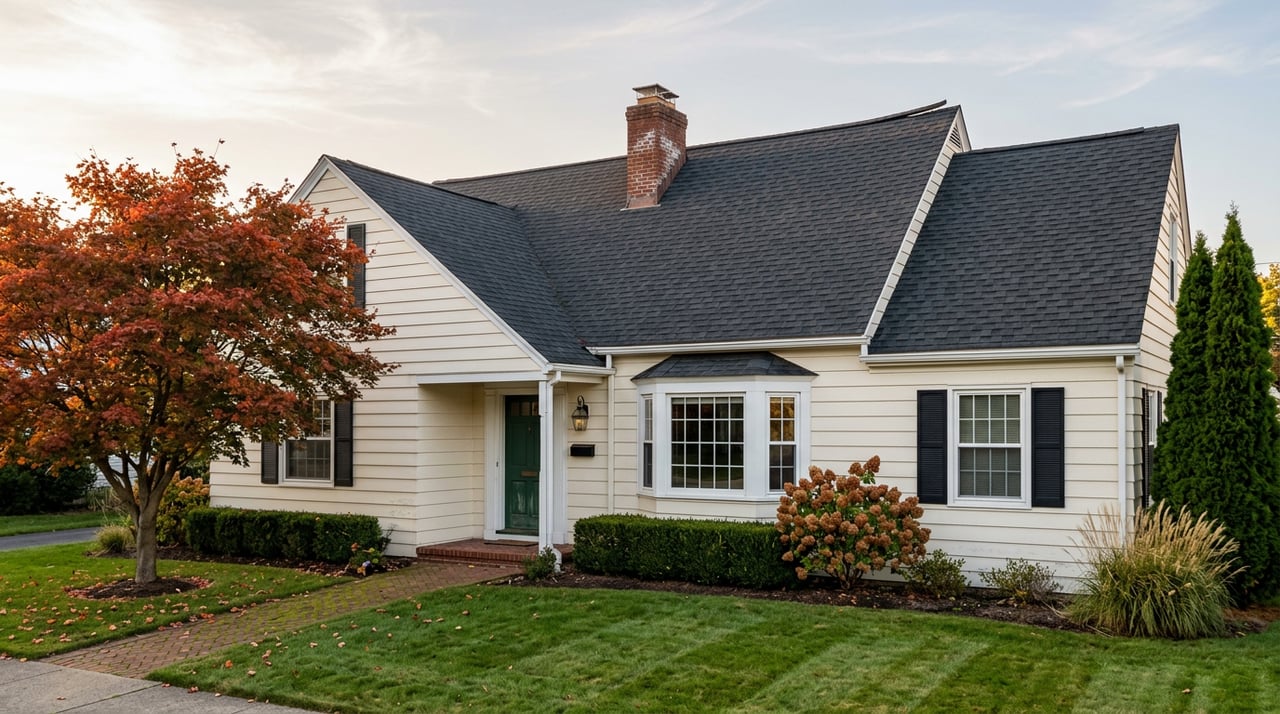
If your ideal home base includes more separation between houses, a larger yard, and a more residential-only atmosphere, the suburban parts of Perinton may feel like a better fit. Outside the village, zoning patterns generally emphasize detached homes, garages, and deeper setbacks. That tends to create a quieter, more spread-out streetscape.
The town’s zoning standards show that preference clearly. Class AA homes require a two-car private garage and at least 20,000 square feet of lot area, while Class A requires 18,000 square feet when sanitary sewers are available. In transition districts, lot sizes can increase to one acre, two acres, or five acres depending on utility availability.
That does not mean every suburban neighborhood looks identical. Some town districts allow additional housing types such as two-family homes and townhouse or patio-home style development. Still, the overall pattern remains lower density and less compact than the village core.
In suburban-style neighborhoods, your routine is often more car-based. You may drive for groceries, dining, activities, or errands rather than walking to a downtown cluster. For many buyers, that tradeoff is worth it because they want more lot space, more privacy, or a traditional detached-home layout.
The town still provides access to commercial and mixed-use areas, but those destinations are typically tied to larger road corridors. Perinton’s zoning map places commercial and mixed-use nodes near Route 31 and Route 250, Route 31F, and Interstate 490. Even where walkability is encouraged in select mixed-use areas, the broader access pattern remains more road-oriented than the village center.
When buyers compare Fairport Village and suburban Fairport, the biggest differences usually come down to density, home type, and lot size. These details shape not just how a property looks, but also how it feels to live there every day.
In the village, zoning allows a tighter pattern and a broader housing mix. In the town’s more suburban districts, detached homes and larger lots are more common. If you are deciding between the two, it helps to think beyond square footage and ask how much space you want around your home and how close you want to be to activity.
| Feature | Fairport Village | Suburban Perinton Neighborhoods |
|---|---|---|
| Overall feel | Compact and mixed-use | Lower density and more residential |
| Typical pattern | Closer spacing, tighter lots | Wider spacing, larger setbacks |
| Housing mix | Single-family, two-family, townhouses, apartments in some areas | Primarily detached homes, with some mixed forms in select districts |
| Lot sizes | Smaller minimum lots in several districts | Larger minimum lots in many districts |
| Daily routine | More walkable and bikeable near downtown | More car-oriented for errands and activities |
Many buyers assume village living means a shorter commute, but the data suggests that is not a major dividing line here. According to QuickFacts, the mean travel time to work is 20.7 minutes in Fairport Village and 20.6 minutes in Perinton town. That is a very small difference.
In practical terms, your decision will likely come down to lifestyle rather than commute length. The more important question is whether you want errands and social stops to happen within walking distance, or whether you prefer a home base that feels more removed from commercial activity. For most buyers choosing between these two settings, that distinction matters more than a few seconds on paper.
If you are torn between the two, start by thinking about how you want an ordinary Tuesday to feel. Your best match is usually the one that supports your normal routine, not just your ideal weekend.
Fairport Village may be the better fit if you want:
Suburban Fairport may be the better fit if you want:
It is also worth remembering that these are broad patterns, not rules for every street. Fairport has variation from one area to the next, and that is why neighborhood-level guidance matters. The right move is not just finding a house that fits your budget, but finding the part of Fairport that fits the way you want to live.
If you are weighing village convenience against suburban space, a focused local search can save time and reduce second-guessing. With the right guidance, you can narrow in on the neighborhoods and home styles that match your goals from the start. When you are ready to talk through your next move, Arlene Reese is here to help.
Stay up to date on the latest real estate trends.

Get assistance in determining current property value, crafting a competitive offer, writing and negotiating a contract, and much more. Contact me today.