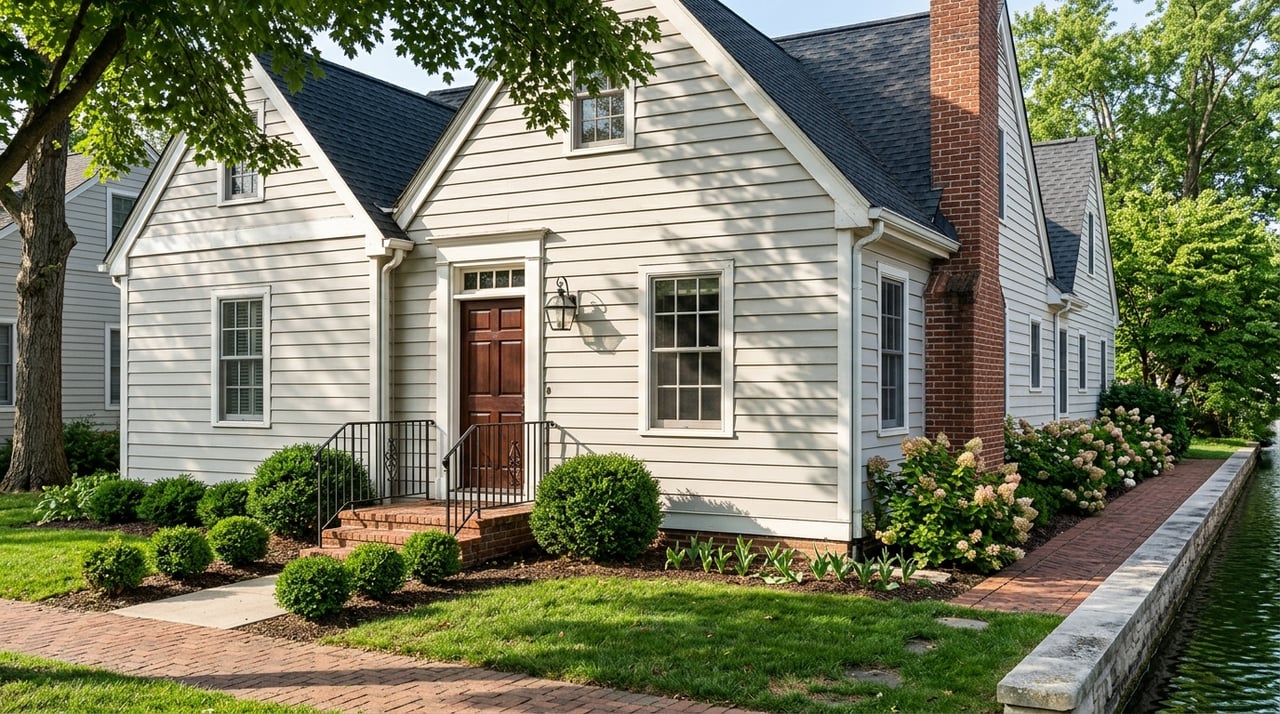
What if your Newark mortgage could be paid, in part, by your neighbor? If you’re a first-time buyer or watching your budget, house hacking can turn a 2–4 unit property into both a home and an income stream. In this guide, you’ll learn the Newark-specific basics, financing paths, a simple cash-flow model, and a step-by-step plan to move from idea to keys. Let’s dive in.
House hacking, defined
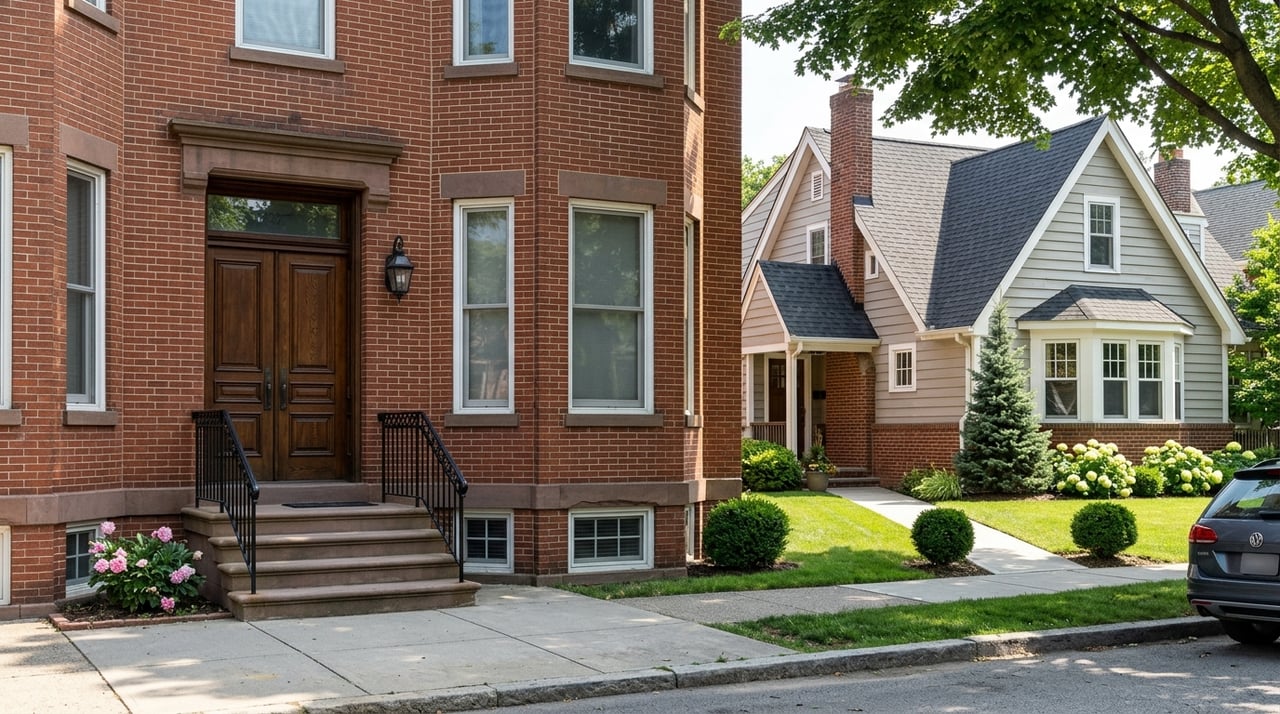
House hacking means you live in one unit and rent out the others. In Newark, that often looks like a duplex or triplex where you occupy one apartment and collect rent from the rest.
Live-plus-income options
- Duplex: You live in one unit and rent the other. It is the simplest setup for first-time buyers.
- Triplex: You live in one unit and rent two. It can cover more of your payment but demands more management and stronger underwriting.
- Room rentals or an in-law suite: If set up legally and safely, you can rent extra rooms or a separate suite in an owner-occupied home. Always confirm local zoning and safety rules first.
Is house hacking right for you?
- You want to lower your monthly housing cost.
- You’re comfortable being a hands-on owner and following New York landlord-tenant rules.
- You can commit to living in the property as your primary residence if your loan requires it.
Loan options for 2–4 units
Financing a multi-unit property is different from buying a single-family home. Here are common paths for owner-occupants.
FHA 203(b) basics
- Low down payment: As low as 3.5% for qualifying borrowers.
- Owner-occupancy: You must occupy a unit as your primary residence, typically within 60 days.
- Property standards: FHA has minimum health and safety requirements.
- Rental income to qualify: Many lenders count a portion of projected rents from other units (commonly 75%) toward qualifying, subject to their guidelines.
- Loan limits: FHA county limits apply and vary by county and unit count. Check Wayne County limits with your lender before assuming a price point.
VA loan for eligible veterans
- Up to 4 units with no down payment for qualified borrowers who will occupy one unit.
- VA has specific appraisal and underwriting rules. Work with a lender experienced in multi-unit VA loans.
Conventional loan options
- 2–4 unit owner-occupied loans are available, often with higher down payment and reserve requirements than single-family.
- Many lenders count a portion of rents from the other units (often 75%) when you qualify.
USDA and down payment assistance
- USDA programs focus on primary residences in eligible rural areas, but many multi-unit properties are not eligible under standard single-family USDA guidelines.
- New York State and some local programs may offer down payment or closing cost assistance to qualifying buyers. Availability, income caps, and property type rules change, so verify current offerings.
Underwriting must-knows
Before you shop, get familiar with how lenders view owner-occupied 2–4 unit properties.
- Occupancy: You certify it is your primary residence and move in within the program’s timeframe.
- Rental income treatment: Lenders commonly use 75% of gross rent from the non-owner units to offset your mortgage for qualifying. Some require signed leases or an appraiser’s market rent analysis.
- Reserves: Expect lenders to require additional months of reserves for multi-unit properties.
- Property condition: FHA and VA have clear health and safety standards. Conventional lenders also expect safe, functional systems.
- Appraisal: For multi-unit properties, the appraiser may use an income approach and may document market rents. This can matter if you are using rent to qualify.
Choosing the right Newark property
Picking the right structure and setup matters as much as the numbers.
Duplex vs. triplex
- Duplex: Lower purchase price and simpler management. A strong choice for first-timers on a tight budget.
- Triplex: Higher rent potential, but usually stricter underwriting and more capital needs.
Shared living and ADUs
If you plan to rent rooms or use an in-law suite, verify zoning, occupancy limits, and building code requirements. Ensure proper fire safety, egress, and any permits needed by the Village of Newark.
Your cash-flow worksheet
To judge a house hack, run a quick model with real local inputs. Include these categories:
- Mortgage principal and interest
- Property taxes
- Insurance (owner-occupied and landlord coverage as needed)
- Utilities you pay as landlord (water, sewer, heat, electric)
- Maintenance and repairs
- Vacancy allowance
- Capital reserves for big items (roof, HVAC, appliances)
- Property management, if you outsource
- HOA or licensing/inspection fees, if applicable
A simple hypothetical example
This is an illustration only, not Newark market data. Replace with actual Wayne County taxes, insurance quotes, market rents, and your loan terms.
- Purchase price: $160,000
- FHA loan at 3.5% down → loan amount $154,000
- Rate and term: 5.0%, 30-year → monthly principal and interest about $827
- Annual property taxes: $2,400 → $200 per month
- Insurance: $900 per year → $75 per month
- Unit B rent: $850 per month
- Vacancy allowance: 8% → effective rent $782 per month
- Owner unit imputed rent for your budget: $900 per month (not counted as income)
- Maintenance and reserves: $150 per month
- Landlord-paid utilities: $100 per month
- No HOA, no professional management
Results:
- Monthly operating income: $782
- Monthly operating expenses: $827 + $200 + $75 + $150 + $100 = $1,352
- Monthly cash flow: $782 − $1,352 = −$570
In this scenario, you are covering a shortfall, but your out-of-pocket housing cost is lower than renting alone because the other unit’s rent offsets your mortgage. Change any input (price, rate, taxes, rents, number of rented units) and you change the outcome. Many buyers aim to keep total housing costs well below what a comparable single-family home would cost each month.
What moves the needle
- Higher market rents or an additional rented unit can improve the numbers.
- Lower price, better rate, or lower taxes lowers your base costs.
- Paying fewer utilities as landlord increases net income.
- Setting aside realistic maintenance and vacancy reserves keeps surprises from derailing the plan.
Due diligence in Newark and Wayne County
Good deals start with good verification. Before you go under contract, line up the facts.
Legal use and zoning
- Confirm the property is legally a duplex or triplex, and that its configuration matches county assessor records.
- Ask for certificates of occupancy and any permits for conversions or major work.
- Check local occupancy limits and parking standards with the Village of Newark.
Inspections and safety
- Order a general home inspection plus focused looks at roof, structure, HVAC, electrical, and plumbing.
- Test for pests and moisture, and inspect any chimney or solid-fuel systems.
- If not on public services, schedule septic and well inspections.
- For homes built before 1978, complete the federal lead-based paint disclosure and consider appropriate testing or remediation advice.
Leases, rents, and operating history
- Get a current rent roll, copies of all leases, and the security deposit ledger.
- Review utility bills, tax bills, and repair invoices to understand real operating costs.
- Verify market rent with an appraiser’s study or local comparables, especially if you will use rents to qualify for financing.
Compliance and risk checks
- Ask local code enforcement about any open violations.
- Review flood maps and insurance implications, especially near known floodplains.
Lease basics for New York landlords
A clear lease protects both you and your tenants. Core items to include:
- Parties, premises, and lease term (month-to-month or fixed term)
- Rent amount, due date, late fees, and any grace period
- Security deposit amount and handling that follows New York rules
- Who pays which utilities and services
- Repairs and maintenance responsibilities
- Entry and notice requirements for landlord access in line with New York law
- Subletting, guest limits, pets, and any related fees
- Smoking, nuisance, and quiet enjoyment
- Short-term rental rules if you wish to prohibit them
- Move-in and move-out checklists and deposit return process
- Required disclosures, including lead-based paint for pre-1978 homes
- Eviction basics that follow state procedures; consult local counsel for formal actions
Practical tips for owner-occupants
- Meet tenants early when possible, and handle security deposits correctly at closing.
- Use one system for rent collection and maintenance requests. Simple software or a tenant portal can help.
- Keep clean records that separate personal and rental expenses for tax time.
- Work with an insurance agent to tailor owner-occupied landlord coverage and liability protections.
Local resources to contact
- Wayne County Real Property Tax Service and Assessor for taxes, assessed values, and parcel records
- Wayne County Clerk and Recorder for deed and lien records
- Village of Newark Code Enforcement for zoning, permits, certificates of occupancy, and any rental registration rules
- Wayne County Department of Health for septic and rental health concerns
- County or town planning offices for permitted uses, ADU rules, and parking or occupancy standards
- State and federal references: FHA and VA loan materials, USDA program details, New York State Homes & Community Renewal programs, New York State Department of Taxation and Finance, FEMA flood map resources, and IRS Publication 527 on residential rental property
Your next steps in Newark
- Speak with at least one lender about FHA, VA, and conventional options. Ask how they treat rental income, reserve needs, and any repair requirements tied to the appraisal.
- Run your cash-flow model using real numbers: Wayne County taxes, insurance quotes, and current Newark-area rents.
- Get pre-approved and focus on properties that are legally configured as duplexes or triplexes.
- Before making an offer, request leases, rent rolls, and tenant contact information, and include inspection and verification contingencies.
- After you go under contract, order full inspections, confirm permits and any certificates of occupancy, and check for open code issues or flood concerns.
- Build a simple operating plan for Day 1: onboarding tenants, a maintenance reserve, and a lease template aligned with New York law.
Ready to house hack with confidence?
If you want a live-plus-income plan that fits Newark and your budget, let’s map it out together. From property search to due diligence and negotiation, you will have a clear plan at every step. Reach out to Arlene Reese to schedule a free consultation and start your Newark house-hacking journey.
FAQs
What is house hacking in Newark and how does it work?
- You buy a 2–4 unit property, live in one unit as your primary residence, and rent the others to offset your mortgage and housing costs.
Can I use an FHA loan to buy a Newark duplex?
- Yes, FHA allows 2–4 unit purchases with as little as 3.5% down for qualifying borrowers who will occupy one unit, subject to property standards and loan limits.
How do lenders count rental income when I qualify?
- Many lenders count a portion of projected or actual rents from the non-owner units, commonly 75% of gross rent, with documentation such as leases or an appraiser’s market rent study.
Do I need special permits for a duplex or triplex in Newark?
- You should confirm the property’s legal use, units, and any required certificates with the Village of Newark and review county records to ensure the setup matches permits and assessor data.
How much should I set aside for maintenance on a Newark duplex?
- A common rule of thumb is 5–10% of gross rents or about 1% of property value annually, plus a monthly reserve for big-ticket items, though actual needs vary by property.