Thinking about listing your Victor home in the next few months? The right prep can help you sell faster and support stronger offers, without taking on a major remodel. You want simple, smart updates that fit your timeline and budget. In this guide, you’ll learn which projects typically pay off in Victor, what they cost, how long they take, and how to decide what to tackle before you list. Let’s dive in.
What buyers want in Victor
Victor attracts commuters to Rochester, families who value suburban amenities, and downsizers looking for lower‑maintenance living. That mix favors clean, move‑in ready homes with updated kitchens and baths, good lighting, and welcoming curb appeal. Neutral finishes and a tidy presentation help your photos pop and widen your buyer pool.
Price tier matters. Entry to mid‑price homes often see stronger percentage returns on small cosmetic updates. Higher‑end properties may need deeper finishes to meet buyer expectations. Recent local comps and an agent’s CMA will show what buyers in your price band are paying premiums for right now.
High‑ROI updates for the next 3–6 months
Interior paint
Fresh, neutral paint instantly reads clean and updated, and it brightens rooms for photography.
- Typical cost: $800 to $2,500 for smaller or partial projects; $1,500 to $5,000 for many whole‑house jobs, depending on size and prep.
- Timeline: 2 to 7 days.
- ROI expectation: High.
Declutter, deep clean, light staging
Decluttering and professional cleaning create open, calm spaces. Light staging or virtual staging helps buyers understand flow and scale.
- Typical cost: Declutter and clean $200 to $1,000; staging $500 to $3,500 for setup, plus monthly fees if rentals are used.
- Timeline: 1 to 5 days to stage; prep can start right away.
- ROI expectation: High, especially for vacant homes.
Minor kitchen refresh
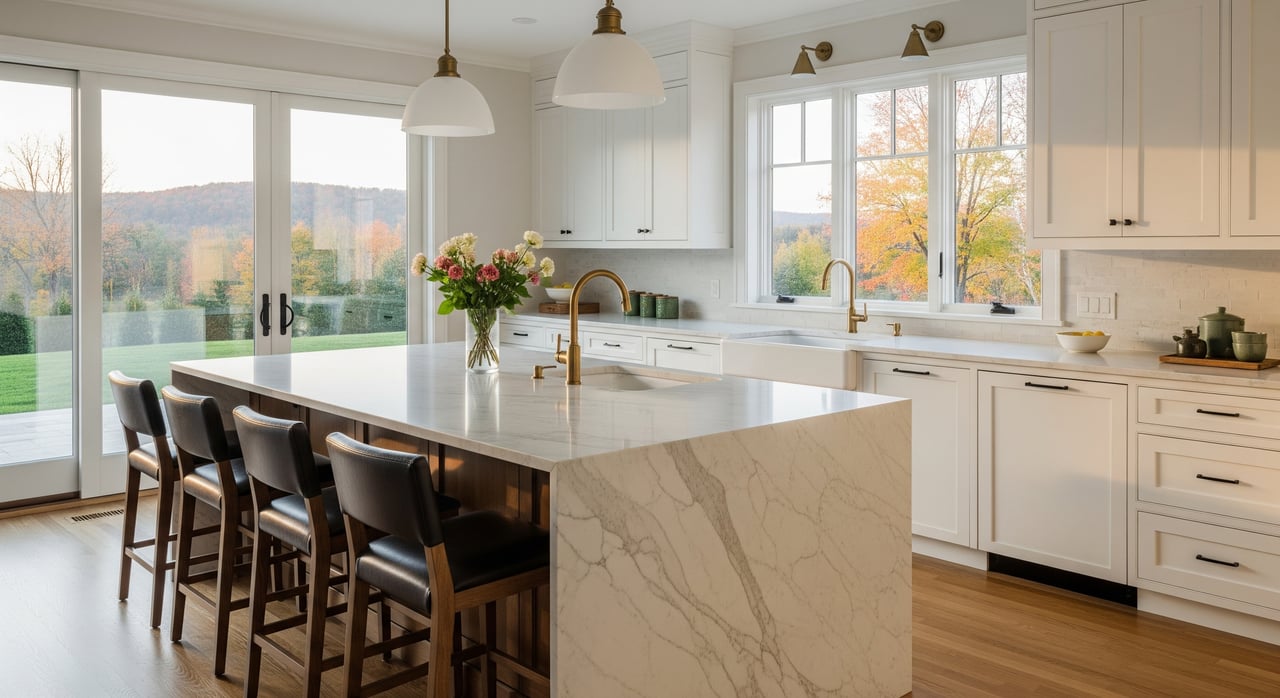
Focus on high‑impact items instead of a full gut. Consider painting or refacing cabinets, swapping hardware, updating the faucet, installing a new backsplash, or replacing visibly dated appliances.
- Typical cost: $3,000 to $15,000 depending on scope. Cabinet paint $800 to $4,000; countertops $1,000 to $4,000; targeted appliance upgrades $1,000 to $5,000.
- Timeline: 1 to 3 weeks, often driven by countertop lead time and scheduling.
- ROI expectation: Medium to High.
Bathroom refresh
A clean, modern bath builds confidence. Think new vanity, mirror, lighting, fixtures, and regrout or reglaze if needed. Replace dated toilets if they hurt the look.
- Typical cost: $1,500 to $7,500, with tile work varying widely.
- Timeline: Several days to 2 weeks.
- ROI expectation: Medium to High for minor updates.
Flooring updates
Replace stained or damaged carpet, refinish existing hardwoods, or install durable, modern LVP in high‑traffic areas.
- Typical cost: Refinish hardwood $2,000 to $6,000; LVP in main areas $2,000 to $7,000 depending on material and square footage.
- Timeline: 2 to 7 days for main levels.
- ROI expectation: Medium. Prioritize the most visible spaces.
Lighting and fixtures
New light fixtures, updated switches and outlets, and LED bulbs can modernize rooms and boost brightness at a low cost.
- Typical cost: $150 to $1,500 per room depending on fixture and electrical needs.
- Timeline: 1 to 3 days.
- ROI expectation: Medium.
Curb appeal
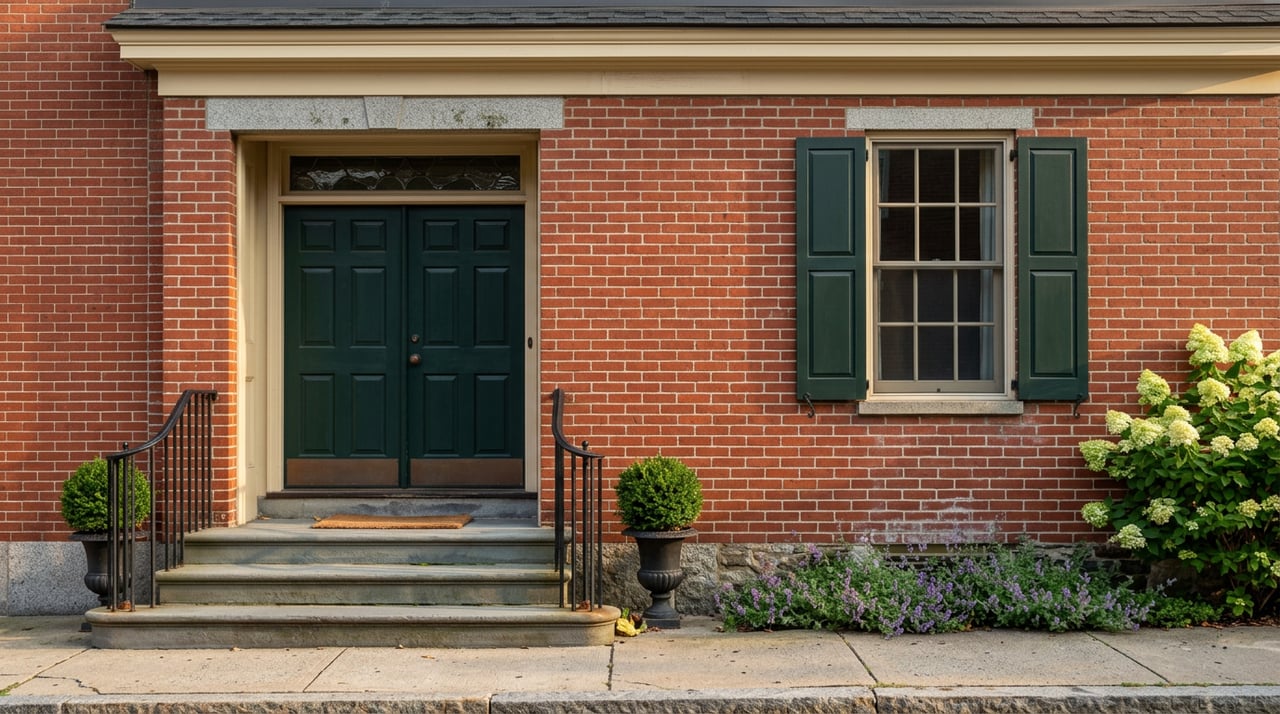
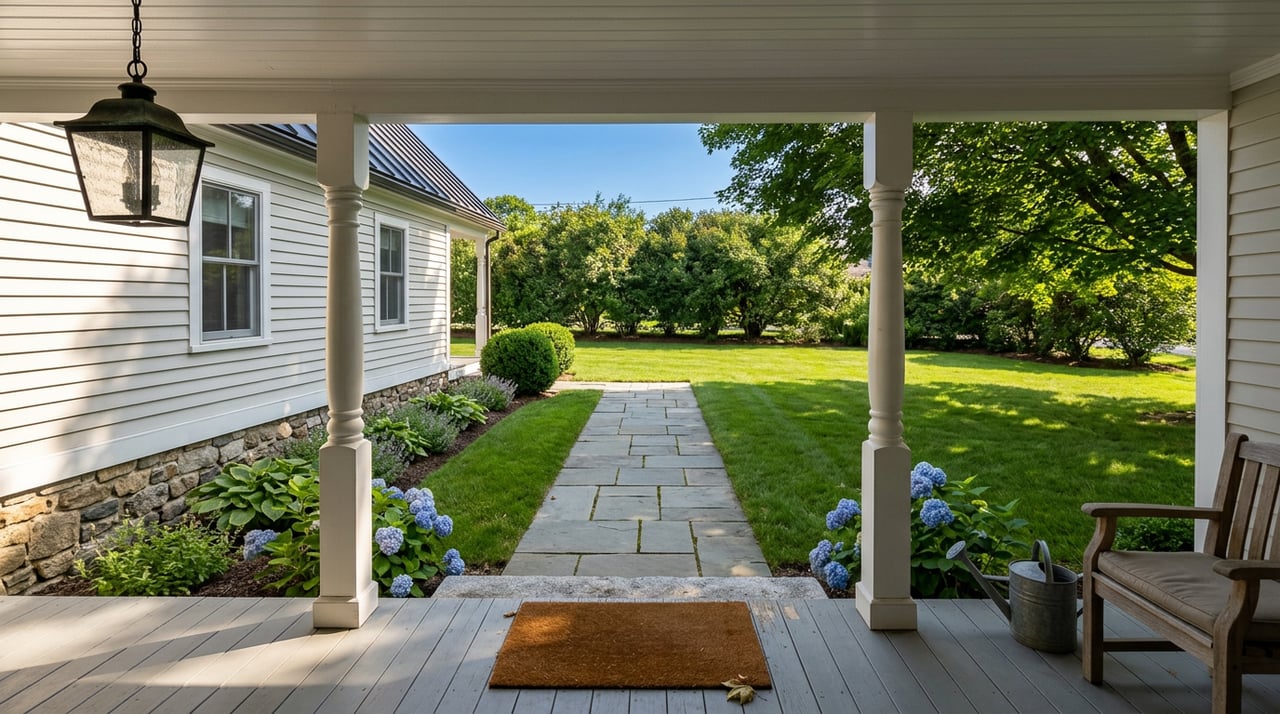
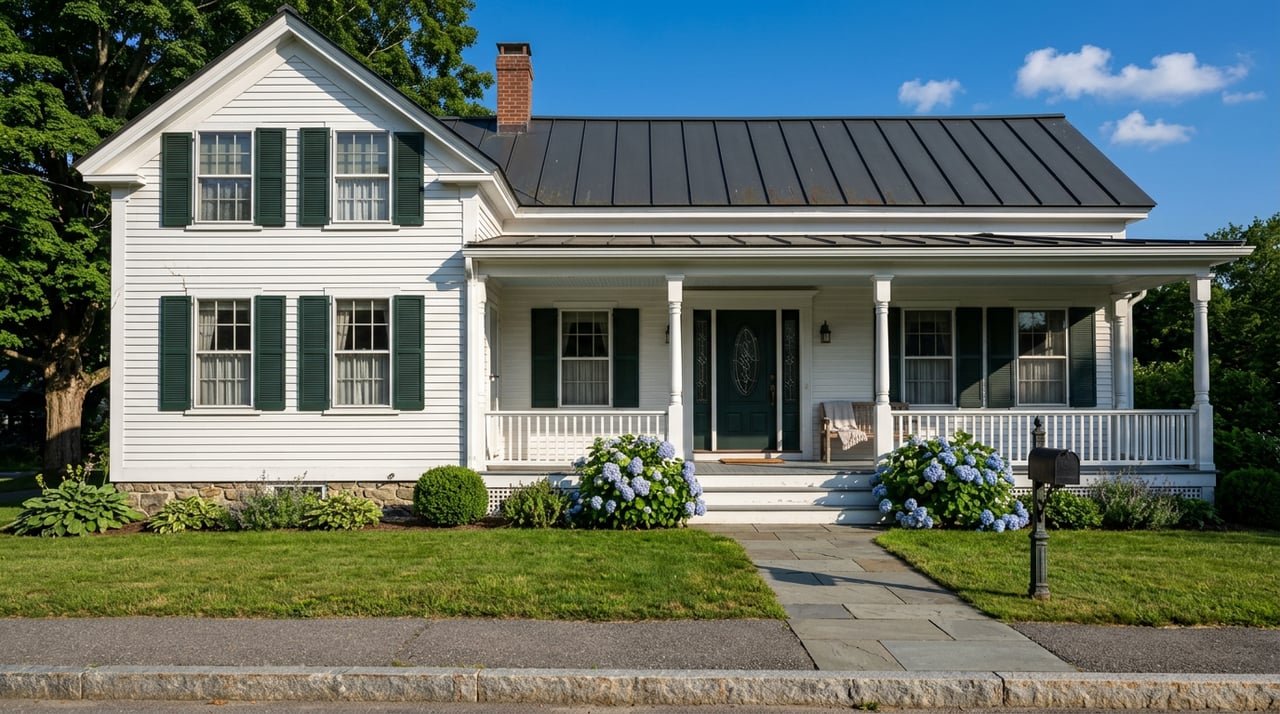
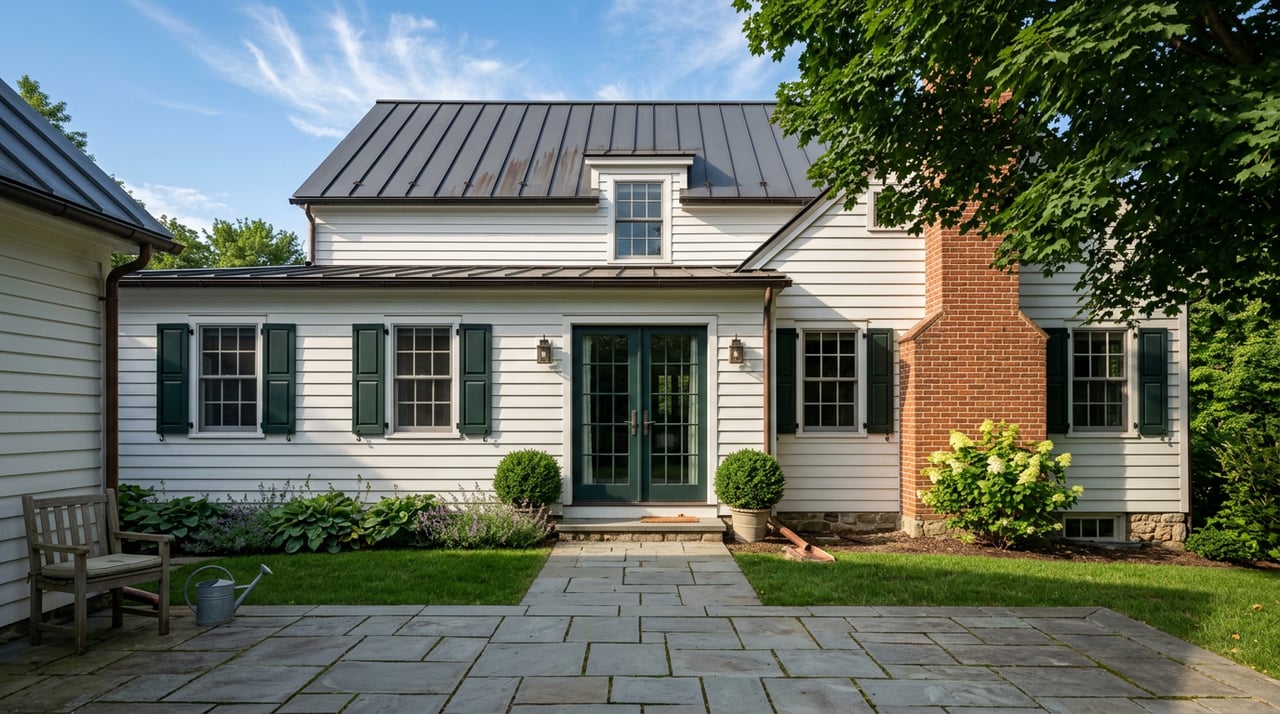
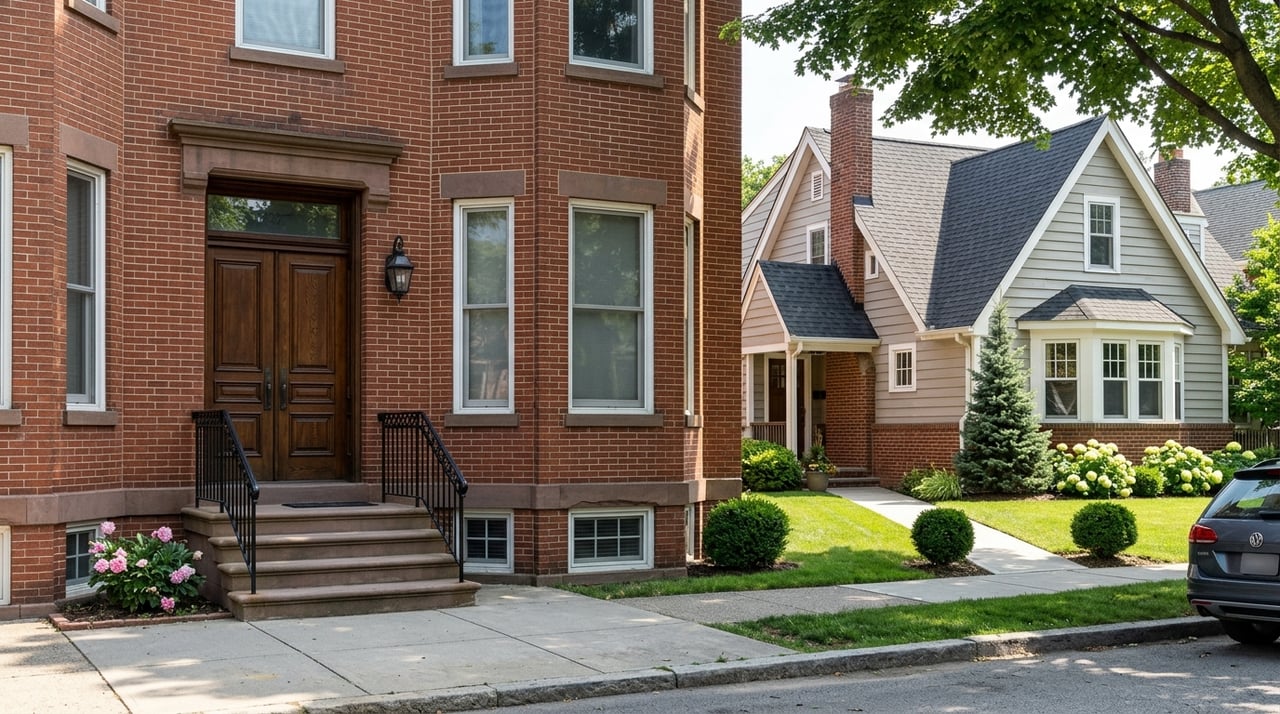
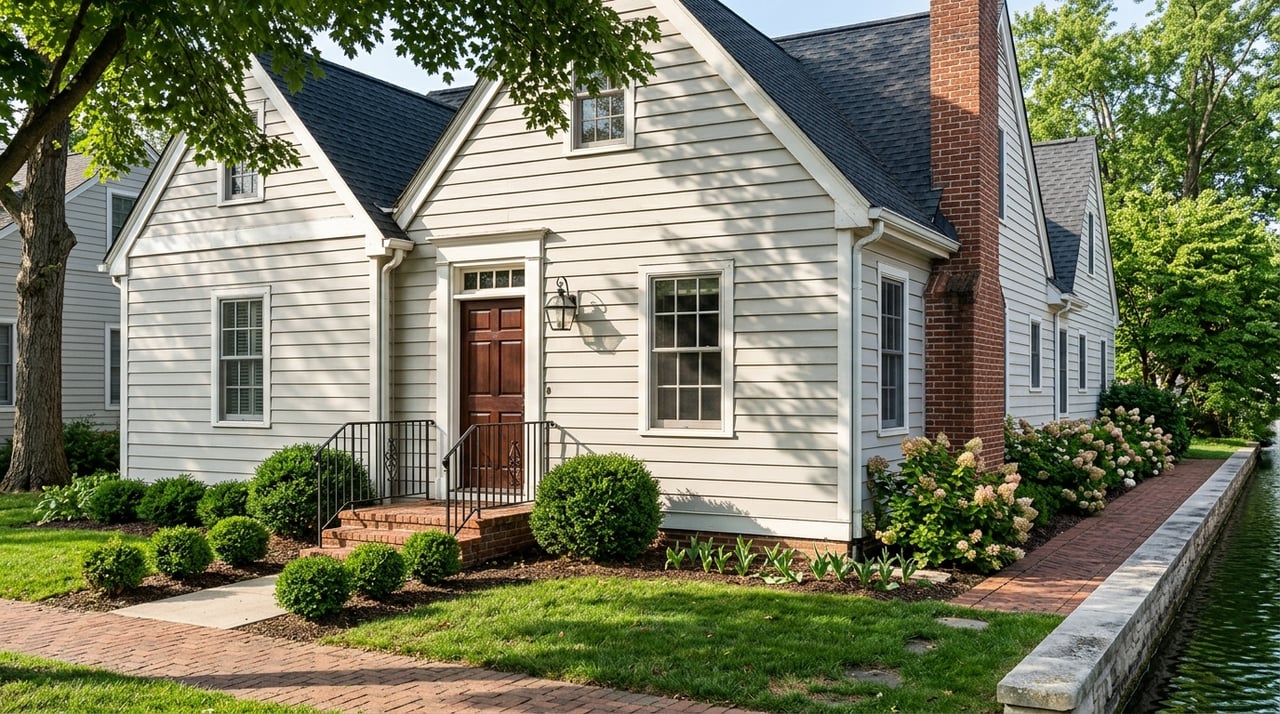
First impressions set the tone. Tidy landscaping, fresh mulch, trimmed hedges, a painted front door, updated house numbers, and simple porch decor all help.
- Typical cost: $300 to $5,000 depending on scope.
- Timeline: 1 day to 2 weeks, weather dependent.
- ROI expectation: High across most price points.
Systems and safety items
Address HVAC concerns, roof leaks, water heater issues, and any obvious plumbing or electrical hazards. These are essentials, not upgrades.
- Typical cost: Small repairs $200 to $2,000; larger replacements $3,000 to $12,000 or more.
- Timeline: Varies by contractor availability.
- ROI expectation: Very High in terms of preventing inspection fallout and price concessions.
What to skip for a quick sale
If you plan to list within 3 to 6 months, think twice about:
- Full kitchen gut remodels that add time and cost without guaranteed payback.
- Home additions or major structural changes that require permits and longer timelines.
- Luxury upgrades aimed at niche buyers that may not broaden demand.
A 6‑week prep plan
- Week 0: Ask your agent for a CMA with recent Victor comps. Prioritize quick wins and order contractor estimates.
- Weeks 1 to 2: Deep clean, declutter, paint priority spaces, update lighting, and fix safety items. Start staging planning.
- Weeks 2 to 4: Tackle flooring updates and minor kitchen or bath refreshes. Complete curb appeal work.
- Weeks 3 to 6: Install any appliances, do final touchups, and schedule photography after staging. Consider a pre‑listing inspection if helpful.
If you must list in under 30 days, prioritize paint, cleaning, declutter, curb appeal, lighting swaps, and staging. Save larger projects unless already lined up.
Staging and marketing that sell
Staging defines rooms, clarifies scale, and neutralizes personal decor so more buyers can picture themselves at home. It also supports high‑quality photos, floor plans, and virtual tours that drive showing traffic. Setup fees and monthly rentals vary by size and scope, and virtual staging can help photos when timelines are tight.
In family‑oriented suburbs like Victor, staged listings often stand out in the first week on market. With accredited staging expertise and a pre‑sale renovation partnership, you can coordinate updates, staging, and photography so your home hits the market at its peak.
Permits, disclosure, and inspections
Most cosmetic work like painting, flooring, cabinet painting, and fixture swaps does not require permits. Electrical, structural, significant plumbing, and mechanical work typically do. Check Victor and Ontario County requirements before starting.
New York sellers must disclose material defects and certain renovations. Keep receipts, contractor invoices, and any permit documents to share with buyers if requested. Cosmetic upgrades help reduce objections, but inspections will focus on systems and structure. Avoid quick cover‑ups over known issues.
A simple decision framework
- Step 1: Price band and comps. Use a local CMA to see which features moved the needle in Victor.
- Step 2: Net benefit. For each project, weigh estimated cost against potential price lift. If the likely lift exceeds cost and helps speed the sale, it is a yes.
- Step 3: Time and risk. If a project may delay listing more than 4 weeks, compare that delay to the potential premium.
- Step 4: Prioritize. Start with systems and safety, then paint, cleaning, and declutter, then curb appeal, then small kitchen and bath refreshes, then flooring and lighting.
- Step 5: Get quotes. Aim for two contractor bids and a staging quote. Ask about timelines and whether permits are needed.
- Step 6: Plan marketing. Schedule staging and photos after work wraps so you capture the finished look.
Seasonal tips for Victor
- Winter: Focus on interior staging, lighting, and warm, neutral paint. Keep walkways clear of snow and ice for safe showings.
- Spring and summer: Lean into landscaping, mulch, and exterior photos. Fresh plantings and a painted front door can make a big impact.
Ready to list with confidence?
If you want a clean plan, accurate costs, and a timeline that fits your move, let’s talk. With local comps, a tailored prep list, and coordinated staging and marketing, you can launch a listing that attracts strong offers. Reach out to Arlene Reese to schedule a free consultation and map out your best pre‑sale ROI in Victor.
FAQs
What pre‑sale projects have the best ROI in Victor?
- Interior paint, deep cleaning and decluttering, light staging, curb appeal, and small kitchen or bath refreshes usually deliver the strongest returns in 3 to 6 months.
Should I replace flooring before selling a Victor home?
- Replace or refinish only where wear is obvious, especially in main living areas; focus on visible stains or damage and consider LVP or refinishing existing hardwoods.
Do I need permits for minor updates in Ontario County?
- Cosmetic work like paint, flooring, cabinet painting, and fixture swaps usually does not require permits, but electrical, structural, and major plumbing or mechanical work typically does.
How fast can I prep my home for sale?
- With good planning, light updates can be completed in 2 to 6 weeks; if you must list in under 30 days, prioritize paint, cleaning, declutter, lighting, curb appeal, and staging.
Is staging worth it for a vacant Victor home?
- Yes, vacant homes benefit greatly from staging because furniture helps buyers understand scale and function, and it elevates listing photos to drive more showings.
When should I list as‑is instead of renovating?
- Consider listing as‑is if updates would delay your launch significantly or if local comps show similar homes selling well without those upgrades in your price tier.