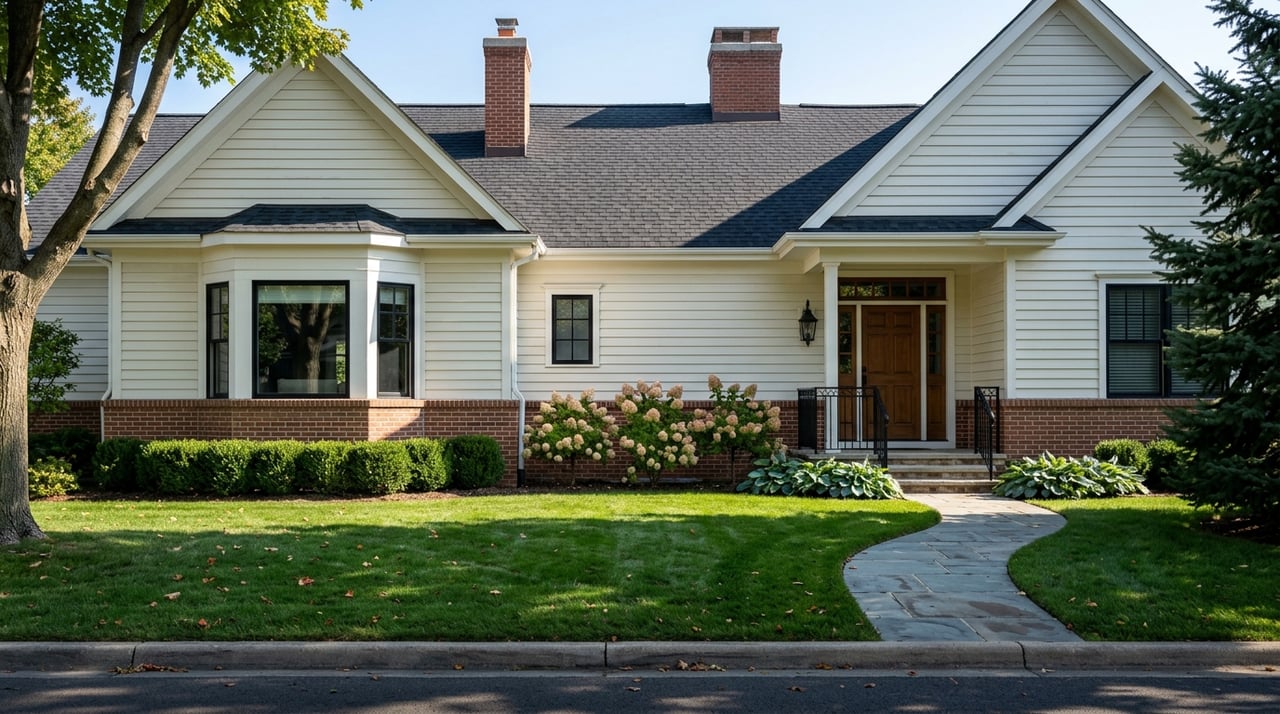
What Canandaigua Lake Home Costs to Budget For
June 4, 2026
June 4, 2026
Dreaming about a home near Canandaigua Lake? The price tag is only part of the story. If you are shopping for a lake-region home in Canandaigua, your real budget needs to account for the monthly and seasonal costs that come after closing. This guide will help you understand what to plan for so you can buy with more confidence and fewer surprises. Let’s dive in.
In the Canandaigua lake region, two homes with similar sale prices can carry very different ongoing costs. Your monthly housing budget may include principal and interest, property taxes, mortgage insurance, homeowners insurance, flood insurance when needed, and any HOA fees.
You also need room for utilities, maintenance, and repairs. That matters even more in a lake-area setting, where waterfront, lake-adjacent, condo, and seasonal-use homes can each come with a different cost profile.
Property taxes can vary a lot from one parcel to the next in the Canandaigua area. Ontario County's 2026 tax-rate sheet shows that a property may have separate county, city or town, school, library, and special-district levies.
That means you should avoid estimating taxes based only on a nearby listing or a rough online figure. The exact tax bill depends on the parcel and the taxing district, so it is worth verifying the details early.
If you are eligible for New York STAR, that can reduce your annual tax burden. In Ontario County, the 2025 final Enhanced STAR savings for a City of Canandaigua property in the Canandaigua school district were $1,228.61, while a Town of Canandaigua property in the same school district showed $1,249.00.
Basic STAR savings were lower, at $438.70 for the city example and $442.39 for the town example. Actual savings can be lower than the published comparison table, so treat these numbers as planning references rather than guaranteed results.
Utility costs are not one-size-fits-all in the 14424 area. A home connected to city water and sewer will have a different expense pattern than a property using septic or served by a county sewer district.
The City of Canandaigua's 2026 minimum quarterly water and sewer bill is $153 for city residents and $181 for non-city customers. That works out to about $612 to $724 per year at the minimum charge, and actual bills can go up with higher usage because the city also charges by water consumption.
Some properties outside city service are served by the Canandaigua Lake County Sewer District, which covers areas in the Towns of Canandaigua, Gorham, and Hopewell. The Route 332 extension also serves part of the Town of Canandaigua.
Because service areas differ by parcel, wastewater costs can shift meaningfully from one home to another. This is one reason lake-region buyers should ask for utility details before making assumptions about monthly ownership costs.
Your utility budget should also include heat, electricity, internet, water, and sewer or septic needs. In the Canandaigua region, cold, cloudy, snowy winters and ongoing lake-effect snow can push seasonal energy use and winter service needs higher than some buyers expect.
If you are considering a second home or part-time residence, leave extra room for vacant-period monitoring and seasonal startup or shutdown services. Those costs may not show up on a standard mortgage estimate, but they still affect affordability.
Insurance should not be treated as an afterthought. Homeowners insurance is generally required when you have a mortgage, and in some cases an additional policy may also be needed.
For lake-adjacent homes, flood risk is especially important to review. Most standard homeowners insurance policies do not cover flood damage, and flood insurance is a separate policy.
If a home is in a FEMA-designated Special Flood Hazard Area, flood insurance is likely required. Even when it is not required, the cost still belongs in your budget if your lender, insurer, or risk tolerance points you in that direction.
For a Canandaigua-area lake home, it is smart to verify how the parcel relates to flood maps and confirm any lender or insurer requirements before closing. Doing that early can help you avoid a last-minute change in monthly payment expectations.
For many buyers, maintenance is where the budget shifts the most. Fannie Mae recommends setting aside 1% to 4% of a home's value per year for maintenance, repairs, and replacements.
A newer home may land closer to the low end of that range. A home that is more than 30 years old may justify a budget closer to the high end.
Routine maintenance includes things like replacing furnace filters, cleaning gutters and downspouts, sealing windows and doors, caring for the lawn, and maintaining decks, porches, and stairs. In a lake-region setting, these tasks can become more important because of winter weather exposure and seasonal wear.
If the home has outdoor living spaces, more exterior trim, or a larger lot, your annual upkeep may increase. Even if the house feels move-in ready, it is wise to keep a repair reserve from day one.
If you are buying a second home or seasonal property, build in extra funds for winterization, spring startup, shutdown service, and periodic property checks while the home is vacant. Those needs are especially relevant in a region with cold winters and stretches of snow.
A conservative reserve can make ownership feel much more manageable. It also helps you protect the property over time, especially when you are not there full-time.
If the property is not connected to municipal sewer, septic planning becomes a major budget item. In general, septic systems should be inspected every 1 to 3 years and pumped every 3 to 5 years, while some alternative systems may need annual inspection.
That schedule means septic ownership is not just a one-time concern during the inspection period. It is an ongoing cost of ownership that should be part of your long-term planning.
In the Canandaigua Lake watershed, Ontario County's Watershed Inspection Program inspects septic and alternative systems at the time of property deed transfer and periodically for certain shoreline properties. The county also coordinates the local onsite wastewater law for shoreline properties served by those systems.
Because Canandaigua Lake is a drinking-water source for more than 70,000 people, shoreline homes can involve more active watershed oversight than a typical inland property. From a budgeting standpoint, that means you should expect more due diligence around septic, stormwater, and related property conditions.
If you are buying a condo, townhome, or home in a planned community, you may also need to budget for HOA dues, common charges, or special assessments. In New York, HOAs manage communities and common elements, and buyers are advised to read the offering plan before signing.
This matters in the lake region because shared amenities and common infrastructure can add recurring costs beyond your mortgage and taxes. The exact amount is community-specific, so it should be verified in the offering plan, resale package, or HOA or condo documents.
When you compare homes in and around Canandaigua Lake, it helps to use the same checklist each time. That way, you are comparing the full cost of ownership, not just the list price.
Use this framework as your starting point:
A bare-minimum budget can look fine on paper and still feel tight once real bills start arriving. In the Canandaigua lake region, taxes, utilities, insurance, and maintenance can all vary significantly based on whether a home is waterfront, lake-adjacent, seasonal, on municipal service, or served by septic.
That is why a cushion matters. Leaving room above the minimum can help you handle changing utility use, maintenance surprises, or insurance adjustments without turning your home purchase into a source of stress.
Buying near the lake should feel exciting, not uncertain. If you want help comparing properties and understanding the real monthly and annual costs behind them, Arlene Reese can help you look at the full picture with local insight and a personalized plan.
Stay up to date on the latest real estate trends.

Get assistance in determining current property value, crafting a competitive offer, writing and negotiating a contract, and much more. Contact me today.